Punch the Macaque: From Abandoned to Viral Zoo Sensation
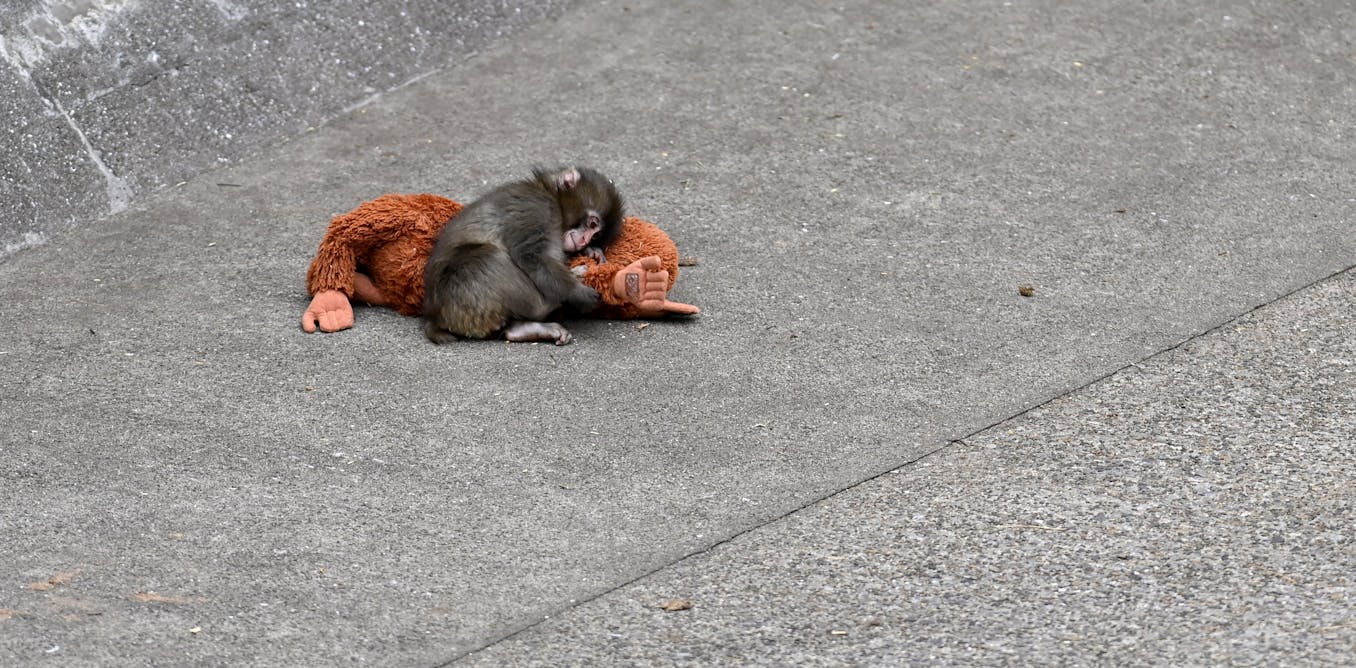
In the bustling world of the internet, where fleeting moments capture global attention, few stories resonate with the enduring warmth and profound emotional depth of Panchi-kun, better known as Punch. This small Japanese macaque, born in July 2025 at the Ichikawa City Zoo in Japan, has transcended his humble origins as an abandoned baby to become a worldwide phenomenon. His journey from vulnerability to resilience, marked by an extraordinary bond with a small orangutan plush toy, has captivated millions and highlighted the universal need for comfort and connection. The powerful and unique
punch monkey attachment to his inanimate companion became the emblem of his remarkable story, stirring hearts across continents.
The Heart-Wrenching Beginning: Abandonment and a Unique Comfort
Punch’s story began with a poignant challenge: abandonment. At just six months old, the little macaque was left by his mother, a situation that, while unusual, can sometimes occur in the wild and in captivity due to various factors like inexperience, stress, or a perceived inability to care for the infant. This left Punch in a precarious position, requiring intensive care from dedicated zookeepers. Understanding the critical need for emotional security in young primates, the Ichikawa City Zoo provided him with a small, soft orangutan plush toy. What started as a simple comfort item quickly became an indispensable anchor for Punch.
This *punch monkey attachment* to the orangutan toy was immediate and profound. Videos shared by the zoo depicted Punch clutching his plush friend, carrying it everywhere, and snuggling it for reassurance. This surrogate mother figure offered him the tactile comfort and psychological security that his biological mother could not provide. For a baby macaque, physical contact and a sense of belonging are crucial for healthy development, and the toy filled a void that human caregivers, despite their best efforts, could not fully replicate in a species-appropriate manner. The plush orangutan became more than just a toy; it was his constant companion, his protector, and his silent confidante as he navigated his early, challenging days.
Navigating the Social Jungle: Bullying, Resilience, and Acceptance
Beyond the initial comfort of his plush toy, Punch faced another daunting hurdle: integration into his macaque troop. Without maternal guidance, the intricate social dynamics of macaque society proved challenging for the young monkey. Initially, Punch appeared to be an outcast. Early videos circulated online showed him being seemingly bullied by other macaques, dragged around, and struggling to find his place within the established hierarchy. These clips further endeared him to a global audience, who rallied behind his plight with an outpouring of sympathy. The hashtag #HangInTherePunch quickly gained momentum, transforming him into a symbol of resilience against adversity.
The journey to acceptance was gradual but ultimately successful. Zookeepers diligently monitored his interactions, creating an environment where Punch could slowly acclimate to his peers. Primate experts emphasize that social learning is vital for young macaques; they learn everything from foraging techniques to social cues by observing and interacting with their group. The absence of a mother figure to guide him meant Punch had to learn these lessons independently, often with the unique security of his plush toy by his side.
By early February, just weeks after his story began to spread, hopeful updates emerged from the Ichikawa City Zoo. Punch was gradually making connections, and interactions with the troop became more frequent and positive. Fans rejoiced when new footage showed Punch not only finding friends but also being groomed by another monkey – a significant sign of acceptance and social bonding within macaque society. The zoo's posts on platforms like X confirmed his steady progress, noting that with each passing day, Punch was interacting with more macaques, truly beginning to find his footing within his new family. This journey underscores the incredible adaptability of animals and the crucial role dedicated animal care plays in fostering such integration.
A Global Phenomenon: The World Rallies for Punch
Punch's story resonated far beyond the borders of Japan, transforming him into a global sensation. The raw vulnerability of an abandoned baby, coupled with the endearing image of his unwavering
punch monkey attachment to a simple toy, struck a universal chord. Social media became the platform for his rise to fame, with #HangInTherePunch becoming a trending hashtag, uniting compassionate individuals worldwide.
The outpouring of support also caught the attention of major brands. IKEA, renowned for its soft toys, expressed its adoration for Punch in a heartfelt social media post. They featured the very orangutan plush toy, which they affectionately dubbed "Punch’s comfort orangutan," available in their stores. Their caption, "Sometimes, family is who we find along the way. We’re ALL Punch’s family now," accompanied by crying and monkey emojis, perfectly encapsulated the public sentiment. Comments flooded in, with users expressing profound emotions: "We’re not okay," "PUNCH is uniting the world," and "3 days in a row crying over Punch" were common refrains, showcasing the deeply emotional connection people felt.
IKEA's commitment went beyond just social media engagement. After learning about Punch's specific needs, the IKEA Japan team proactively reached out to the Ichikawa City Zoo. On February 17, demonstrating a tangible commitment to animal welfare, IKEA Japan CEO & CSO Petra Färe visited the zoo to present a significant donation. This included several soft toys, *additional orangutan plushies* for Punch and other animals, and storage items for children visiting the zoo. This gesture not only provided practical support but also highlighted the powerful impact a single animal's story can have on corporate responsibility and community engagement. The zoo itself experienced a noticeable increase in visitors, eager to catch a glimpse of the resilient little macaque. Punch's narrative transcended mere entertainment; it became a testament to the unifying power of empathy and the global reach of animal welfare advocacy. To delve deeper into the worldwide embrace of this unique bond, you might be interested in
Why Punch the Monkey's Plush Toy Stole Global Hearts, and for more on IKEA's heartwarming involvement, explore
IKEA & Punch: How a Comfort Toy United the World.
Understanding Animal Abandonment: A Primate Perspective
The initial heartbreak of Punch's story naturally led many to question why mother animals abandon their young. While it's relatively rare, primatology experts like Alison Behie from Australian National University note that it can occur. Several factors can contribute to maternal abandonment in primates:
*
First-time Mothers: Inexperience can sometimes lead to mothers being unsure how to care for their infants, particularly if they haven't had the opportunity to observe other mothers closely.
*
Stress or Illness: A mother under severe stress, suffering from an illness, or lacking sufficient resources might abandon an infant to ensure her own survival.
*
Infant Health Issues: Sometimes, mothers may abandon an infant that is perceived as weak or ill, an instinctual behavior to preserve resources and energy for future offspring.
*
Troop Dynamics: In highly social animals like macaques, unusual troop dynamics or constant threats could also play a role, although less common.
In zoo settings, human intervention allows for the rescue and rearing of abandoned or rejected infants, providing them with a second chance at life and, as in Punch's case, often a unique form of comfort.
Practical Insights & Takeaways from Punch’s Journey
Punch’s incredible journey offers several profound lessons for us all:
*
The Power of Resilience: Punch exemplifies the innate drive to survive and thrive, even in the face of immense adversity. His gradual integration into the troop, despite initial setbacks, is a testament to his spirit.
*
Emotional Support Knows No Species: The unwavering
punch monkey attachment to his orangutan plushie highlights that the need for comfort, security, and a sense of belonging is not exclusive to humans. Emotional support objects can play a vital role in the psychological well-being of animals, particularly during stressful or formative periods.
*
The Critical Role of Animal Care Professionals: Zookeepers and animal welfare experts are unsung heroes. Their dedication, knowledge, and compassion are instrumental in providing a lifeline for vulnerable animals like Punch, ensuring they receive the specialized care needed to overcome challenges.
*
Social Media for Good: Punch's story demonstrates the immense power of social media to raise awareness, foster empathy, and mobilize global support for animal welfare causes. It allows for immediate connection and shared emotional experiences across vast distances.
*
The Unifying Force of Compassion: Punch united people from all walks of life, transcending cultural and geographical boundaries through a shared sense of empathy for a small, abandoned monkey. His story serves as a reminder of our collective capacity for kindness.
Conclusion
From an abandoned baby macaque at Ichikawa City Zoo to a global beacon of hope and resilience, Punch's journey has been nothing short of extraordinary. His unwavering
punch monkey attachment to his orangutan plush toy became the poignant symbol of his quest for comfort and belonging, endearing him to millions worldwide. Through initial struggles with bullying and the slow, deliberate process of integration, Punch ultimately found his place within his troop, demonstrating the remarkable capacity for adaptation and the critical importance of a supportive environment. His story, amplified by social media and even inspiring corporate gestures of goodwill, reminds us of the profound impact a single life can have, illustrating the universal language of empathy and the enduring power of connection in the face of abandonment.